

Selecting an Outdoor Heater For Your Patio Electric
When choosing an outdoor heater for your patio electric, it is important to take into consideration a variety of factors, including design and functionality. However, safety should always be the top priority.
Freestanding and tabletop heaters for patios are fairly simple to install, whereas ceiling or wall-mounted heaters require a licensed electrician to ensure proper installation. Be sure to review the manufacturer's instructions for installation and maintenance.
Safety Features
Safety is always the first priority, no matter if you use gas or an electric patio heater. This means having enough clearance between the heater and any other objects including furniture and rug. A minimum of 3 feet on all sides should be free of flammable objects to minimize the danger of fire. small electric patio heater is also essential to keep an eye on the heat released by the unit and avoid placing anything too close to it. Heat radiation can cause burns if it comes in direct contact with objects, and sudden heater movements could cause fire hazards.
Electric, propane, and natural gas patio heaters are available in a variety of shapes and sizes. Their power source will affect how they are utilized. Propane and natural gas heaters for instance, require adequate ventilation to keep carbon monoxide from forming and nitrogen dioxide/nitrous oxide buildup. This is the reason you should never use any gas heater indoors regardless of the fuel type.
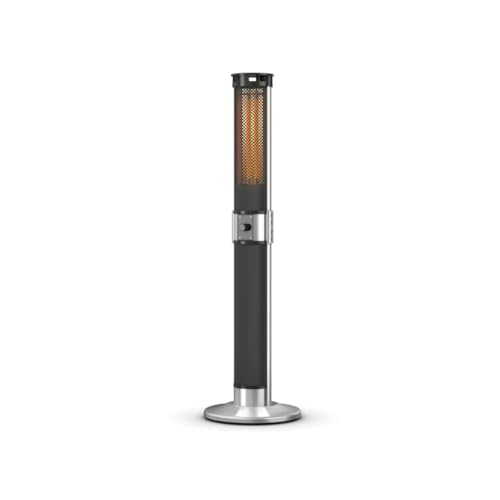
Electric patio heaters are a more secure alternative, as they typically feature a stable base and an automatic shut-off if the unit is tipped over or is no longer on a flat surface. The heater will also shut off when it becomes too hot. Even a well-designed heating system can be hazardous for pets and children.
Certain models come with an integrated device that cuts off the gas supply if the flame ceases to burn. Furthermore the majority of Bromic's infrared heaters are made to release heat directly into objects and people instead of the air around them, making them a great choice for areas that may encounter windy conditions or problems with ventilation.
Heat Output
Consider the amount of heat an outdoor heater could generate when shopping. This number is typically expressed in BTUs which can help you evaluate the performance of different models. The BTUs required to heat larger spaces will vary, as will the rain and wind. Certain patio heaters can be placed on the ceiling or walls, while others are portable. It's important to ensure that it can be installed safely and that the cord is plugged in a GFCI socket that is protected from short circuits or shocks.
If you're not ready to purchase a new power source, an outdoor heater made of propane is a cost-effective choice. These heaters run on propane liquid and can be refilled from an external tank. They generally have a higher heat output than electric models, and could burn more fuel over time. However, they're a great option for outdoor spaces that have natural gas lines, and are easy to maintain and use.
Electric models are more flexible and can be used in a variety of settings However, they're not as powerful as gas-powered units. They can be connected to existing electrical outlets, and offer various control options that include adjustable heat settings as well as an integrated timer. Some models, such as infrared heaters, concentrate more on heating objects and people than the air, making them perfect for smaller and more protected areas.
It is also important to consider the design of your heater, especially in the event that you plan to use it near animals or children. You should look for a model that has a safety shutoff feature to prevent injuries. Also, choose one with an erect base that won't tip over easily. Be aware that the heat generated by these devices could cause burns if they come into direct contact with them.
Some outdoor heaters, such as chimineas and wood-burning firepits can bring a touch of traditional to your home. They produce a large amount of heat and create an attractive glow, however they're not as effective in heating a space than other types. They also release pollutants into the air and should only be used in ventilated areas.
Controls
Add a patio heater to your outdoor space to increase the warmth. These units provide radiant heat that will keep you and your guests warm even after the sun has set. There are numerous options to meet your needs regardless of whether you prefer electric or gas models. Before you make a decision the right one, there are a few things to take into consideration.
Safety is the first thing to take into consideration. If your patio heater is powered by electricity or gas it is essential to ensure that it has the correct control mechanisms to safeguard yourself and others. Look for features such as tip-over auto shutoff to stop an accident that could cause fire, and protection against overheating to stop the heater from getting too hot. Make sure that the unit has a sturdy base and is solid. If the base is exposed, make sure it's not a tripping hazard or can be too close to walkways or furniture.
Another thing to take into consideration is how much heat the unit generates that is measured in British thermal units or BTUs. The higher the number, the more heat it emits. The Westinghouse Infrared Electric Patio Heater for instance, comes with a maximum of 50,000 BTUs per hour which is more than enough to heat the patio of a small size. If you're planning to use a heater in a larger space, you might want to go for something with greater power or a longer lifespan.
Electric patio heaters are the easiest to install and use as they plug into standard 120 volt outlets. They can also be used in locations that aren't feasible or safe to run gas lines, such as an outdoor dining area under an awning or in a garage. They may not produce as many heats as gas models, and they could increase the cost of electricity.
Gas patio heaters, on other hand, can be connected to a natural gas or propane line, allowing them to heat large areas with relative ease. They can be controlled with a remote control or an alarm, and some are even capable of automatically turning on and off at predetermined times to conserve energy.
Accessories
If you enjoy being outdoors with your friends and family but discover that the weather cools down too quickly for a summertime outdoor gathering, a patio heater could prolong your party season for months. Contrary to a space heater that blasts hot air over a heating coil to warm the air, a patio heater utilizes infrared energy to warm objects and people within the vicinity of the unit. It is a more efficient way to heat your outdoor space, and an aesthetic that is less intrusive.
You can pick between natural gas or propane-powered units, depending on the power and fuel source that is most suitable for your outdoor space. Gas patio heaters have greater heat output than an electric model and can provide more radiant warmth for a larger space however it will require access to natural gas lines or an extensive propane tank. If you're looking for a more portable heater, go for a portable propane patio heater. It can be controlled with a remote control and fueled with an internal tank.
You can also select an electric patio heater, which produces infrared warmth through a plug-in source of power. They are typically smaller and lighter, making them an ideal option for a balcony or patio with a small space. They usually come with adjustable heating settings, allowing you to select the right level of warmth that is suitable for your space. You should consider a patio heater that can withstand high wind if you plan to use it in a windy location.
A pellet patio heater can also be used to generate radiant heat using compressed wood. These heaters are a more eco-friendly and sustainable alternative to propane heaters however, they require a constant supply of propane gas or pellets and have a bigger carbon footprint than their electric counterparts. You can also choose a recessed electric patio heater that is built directly to the ceiling, eliminating the requirement for an open flame, and keeping your deck's minimalist, sleek appearance.